
When I was a child, my nani (grandmother) used to say that in her youth, she could dig a two-foot pit and find water. I never quite believed her. By the time I reached middle school, the deep tube wells in my hometown in Bengal had to reach 400 feet before touching groundwater. In nearby farming villages, traditional methods demanded vast amounts of water each crop cycle to grow water-heavy grains. Many of those wells have long since run dry, and families now rely on municipal tankers. I started to believe my nani’s stories a little.

2024 - ongoing WB, India | CA, USA

Years later, I live far from that Bengal village, in a city apartment with separate taps for drinking water. Meanwhile, back home, my brother walks to a water shop with a 20-liter bottle to buy purified water for his family and our parents. I try not to think about that when I pour myself a glass each morning.

The question of water, its availability and disappearance, was my first encounter with one of the many facets of the climate crisis. I realized that when we extract the earth’s resources without restraint for short-term gain, the cost is first borne by other species and ecosystems. Slowly, inevitably, it catches up to us. Over time, I’ve learned that this story of depletion repeats itself everywhere—across forests, rivers, oceans, and soil. Anything that can be commodified becomes a business.

Some believe that human activity has altered the planet’s climate irreversibly, marking the beginning of the Anthropocene. Others argue that such thinking is arrogant. How could a single species, small and transient, truly reshape a planet that has survived ice ages, volcanic winters, and meteor impacts? The Earth has indeed seen worse than a few angry cyclones and tsunamis. But while the planet will recover, we may not.

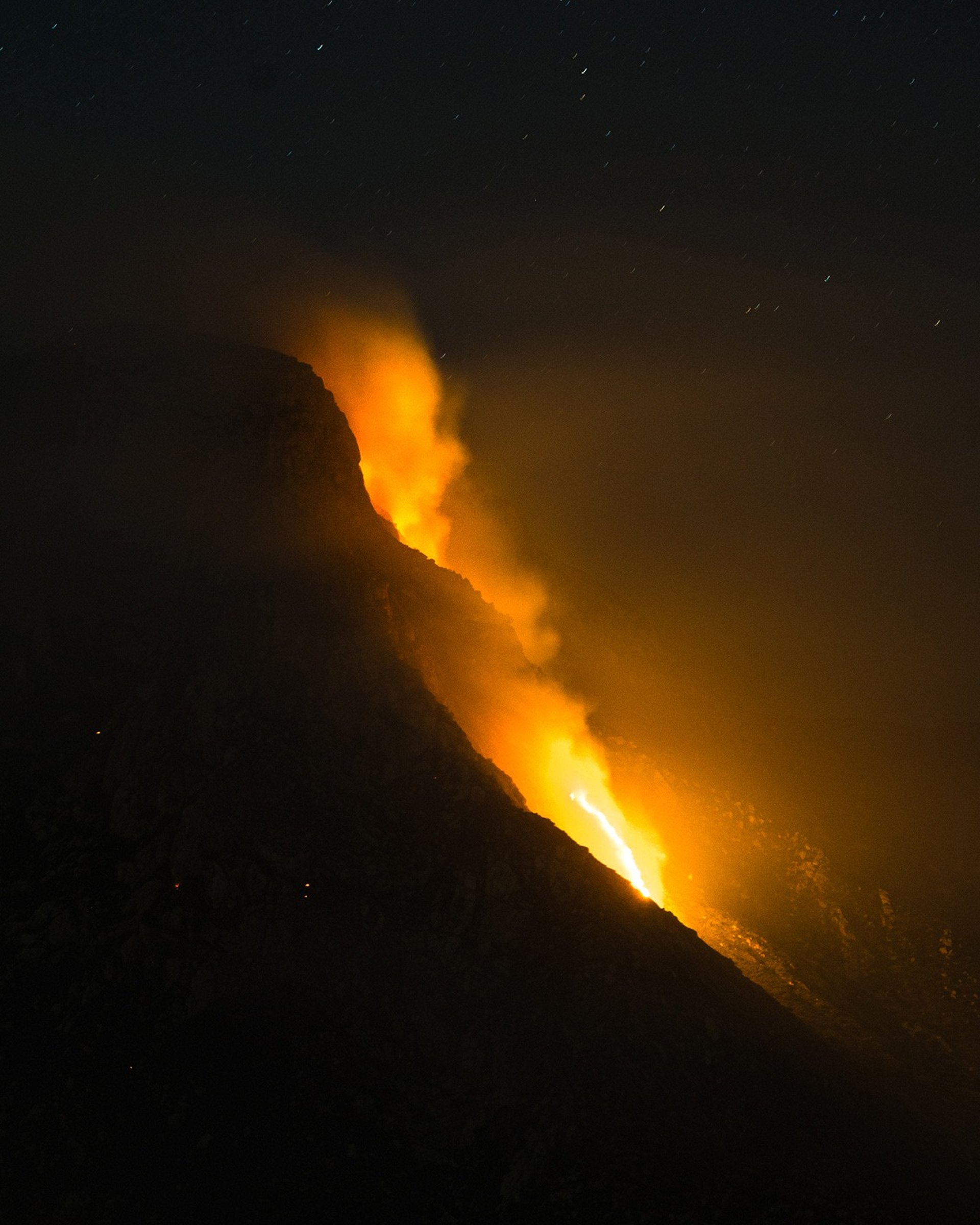
Yes, to make an omelet, we must break some eggs. But how many do we need to break? Whose eggs are we breaking, and who is eating them? Through Cost of an Omelet, I use photography to examine our collective appetite for consumption and endless growth, to question its legitimacy and its role in shaping irreversible ecological and social change. I explore how different communities experience abundance and scarcity within the same shared planet, focusing on two regions: the American West and coastal Bengal. They lie on opposite ends of the map of climate responsibility and crisis, yet the consequences echo the same truth—everything comes at a cost.